


UNRWA Warns of Record Disease Outbreaks in Gaza Amid Collapsed Health System
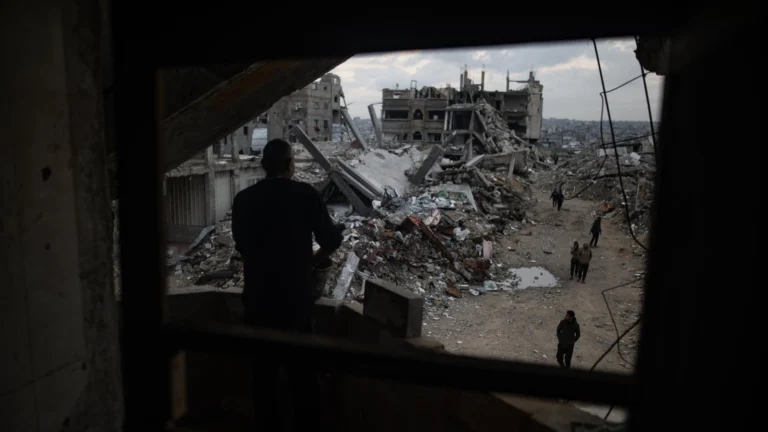
Daily life in Gaza. Photo: EFE.
January 20, 2026 Hour: 12:25 am
🔗 Comparte este artículo
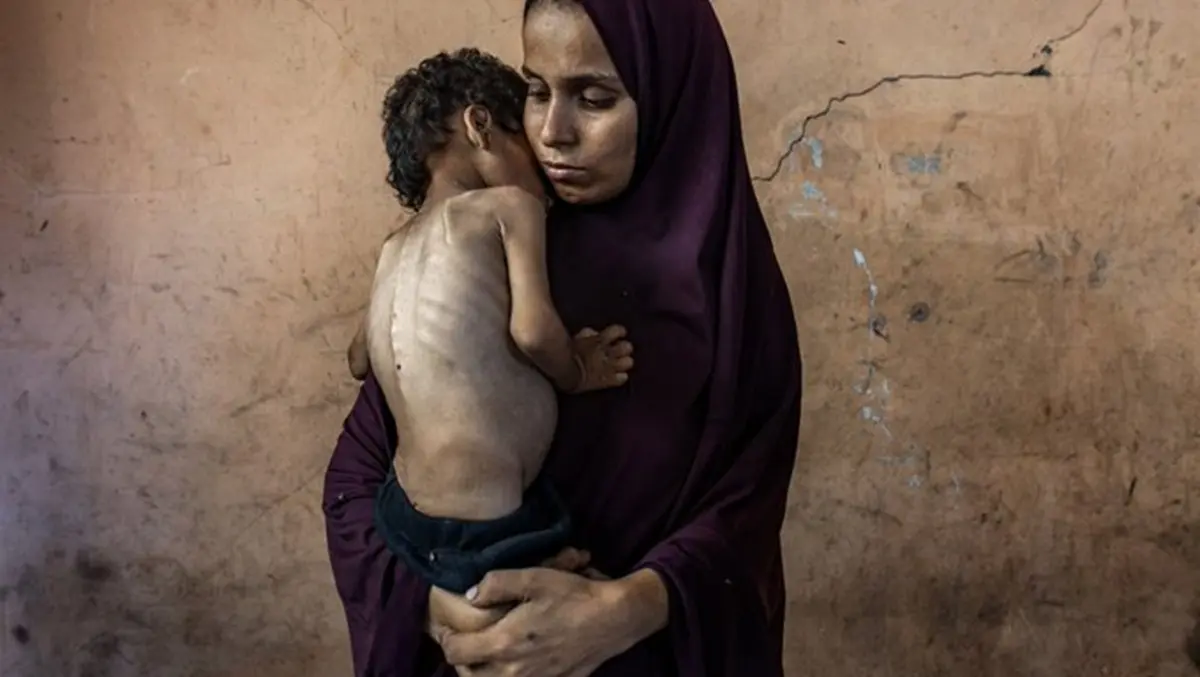
The UN agency for Palestinian Refugees warns that record levels of disease are spreading across the Gaza Strip, driven by extreme winter conditions, a collapsed healthcare system, and severe shortages of vaccines and humanitarian aid.
Record levels of disease are spreading in the Gaza Strip due to extreme winter conditions, a collapsed health system, and a lack of vaccines, the United Nations Relief and Works Agency for Palestine Refugees in the Near East (UNRWA) warned on January, 19.
This is occurring amid the near-total collapse of the healthcare system due to the Israeli blockade and the inability to bring in essential humanitarian aid.
RELATED: Egypt Urges Accelerating the Reconstruction of Gaza
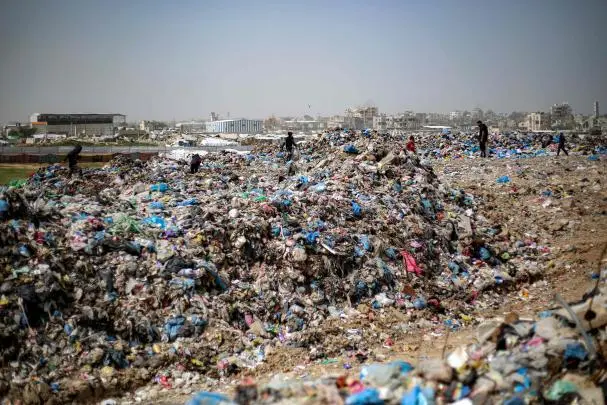
In a statement, UNRWA Commissioner-General Philippe Lazzarini said that the harsh winter is hitting Gaza hard, with extreme cold, heavy rains, and flooding, worsening the already record-high risk of disease outbreaks in the Strip. He explained that poor water and sanitation conditions in overcrowded shelters, combined with the collapse of the healthcare system due to Israel’s systematic bombardment, are accelerating the spread of infections.
In response, UNRWA teams, in cooperation with UNICEF, the World Health Organization, and local partners, began the second round of a booster vaccination campaign on January 18. The campaign targets children under three years old who have not received essential immunizations over the past two years, during which Zionist forces have carried out a genocidal campaign against the Palestinian population.
Amid this dire situation, a new storm is expected to hit Gaza in the coming days. According to the Gaza Government Media Office, 127,000 of the 135,000 tents in displacement camps are already unusable due to recent extreme weather.
Reporting from Gaza City, an Al-Jazeera reporter described the situation as a very painful and grim story, noting that hundreds of thousands of displaced families continue to live in tattered tents and roofless houses, exposed to rain, cold, and freezing nights.
He emphasized that Tel Aviv’s regime has not permitted the entry of prefabricated mobile housing units or essential construction materials for winter protection, nor does it guarantee the free flow of basic humanitarian aid.
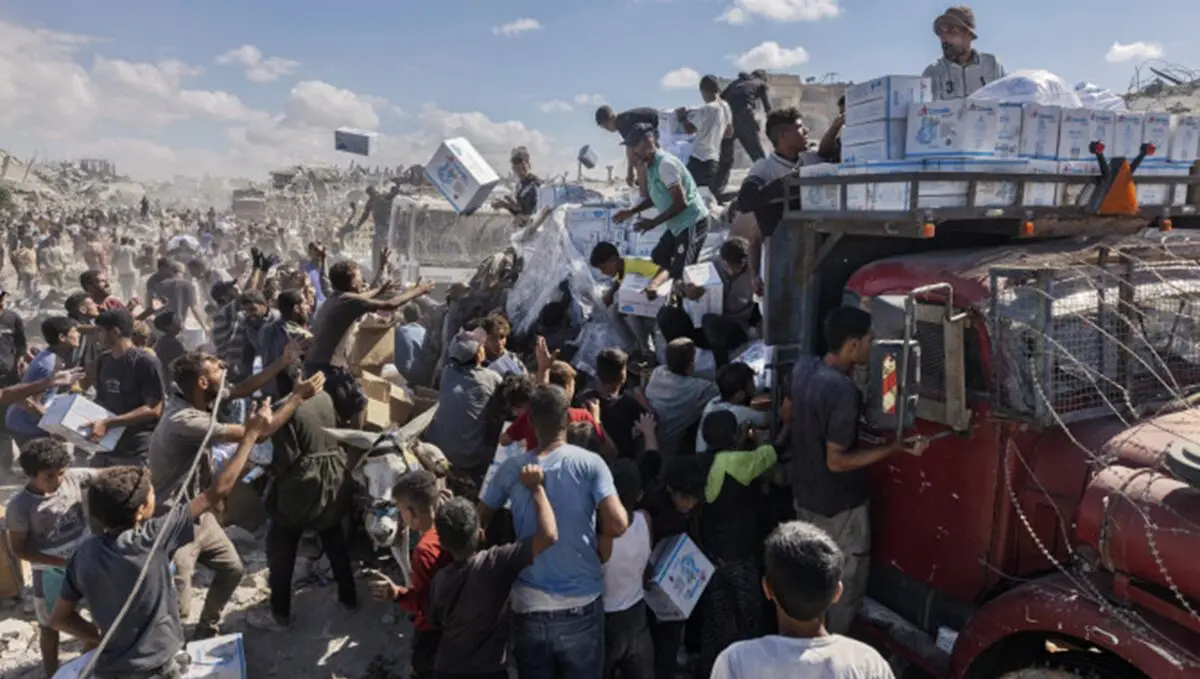
Although a ceasefire took effect on October 10, with a promise to increase aid to 600 trucks per day, the Gaza Government Media Office reports that only an average of 145 trucks have entered per day since then.
Author: Victor Miranda - LVM
Source: WAFA